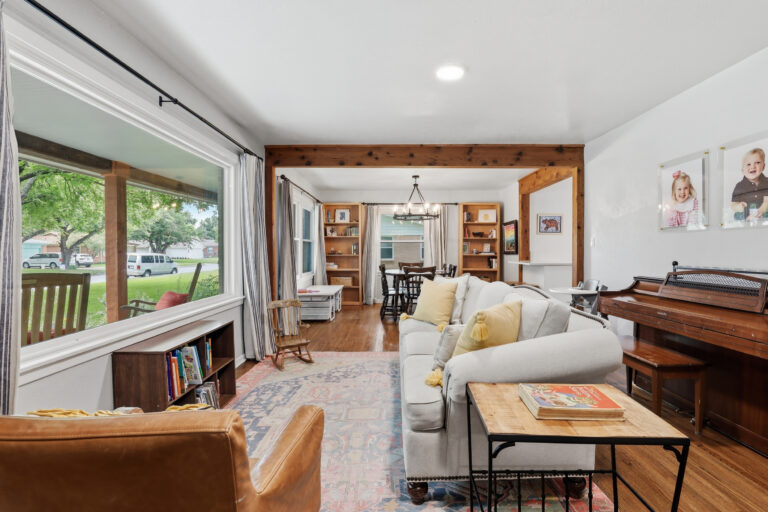
New Build or 1950s Home in Fort Worth? The Maintenance Math
A 1950s Fort Worth home’s big systems are mostly past mid-life; a new build trades that for a shorter legal window. Here’s how to run the math on both.

A 1950s Fort Worth home’s big systems are mostly past mid-life; a new build trades that for a shorter legal window. Here’s how to run the math on both.
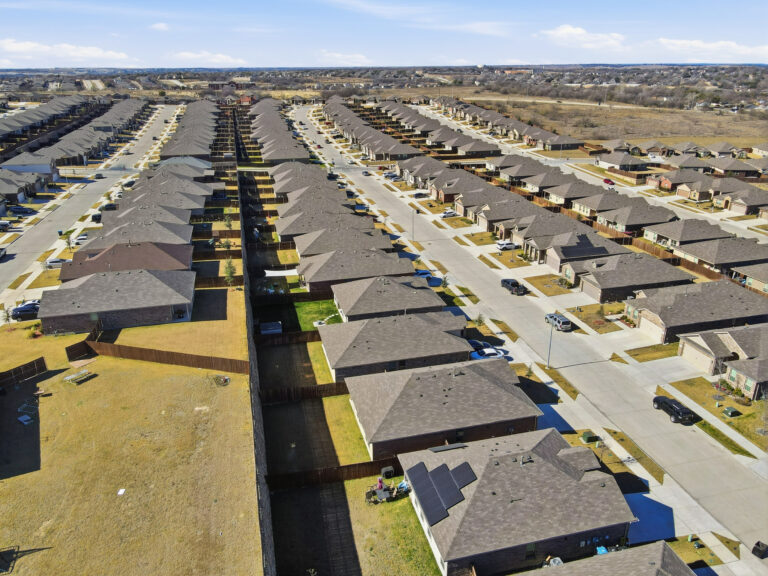
Concessions you never saw, square footage measured under different rules, and a condition grade a notch apart — four reasons a Fort Worth sale beat yours.
The TAD figure on your Tarrant County tax statement is a January 1 tax value, not a sale price — and Tarrant residential values have been frozen since 2024.
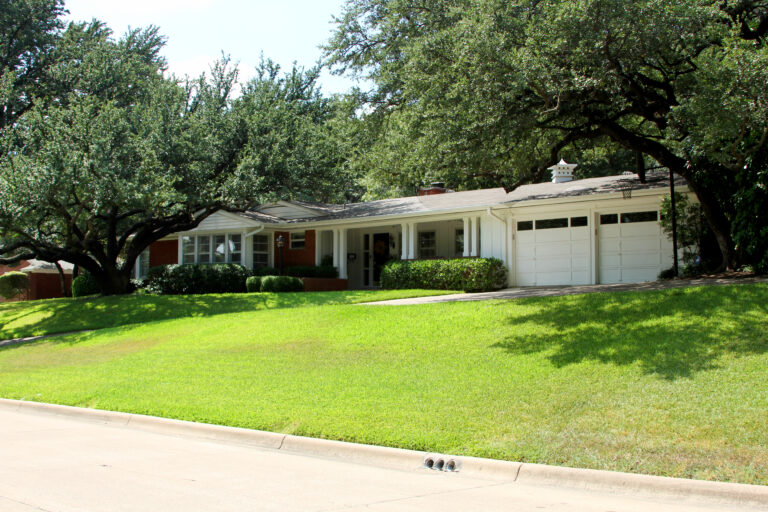
Texas law requires a written Seller’s Disclosure Notice before your contract binds — and the two 2026 forms ask about foundation repair differently.
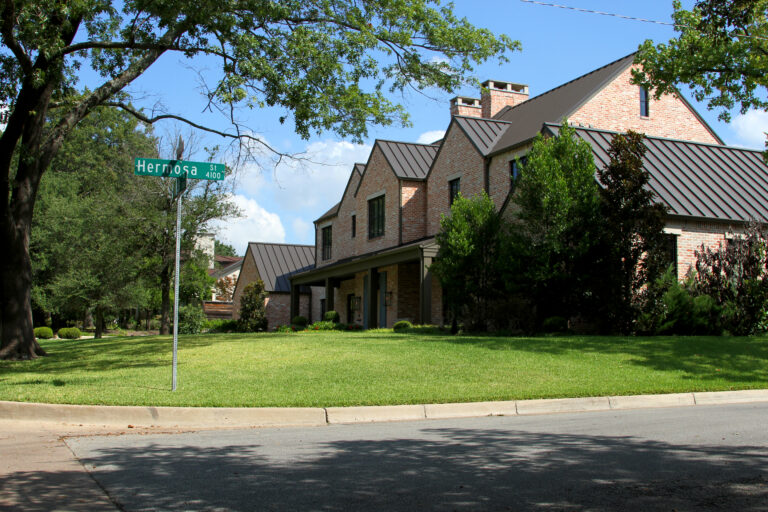
Most remodels recoup far less than they cost, even in Texas. Here’s what actually prevents a discount on a Fort Worth sale, and what to skip entirely.
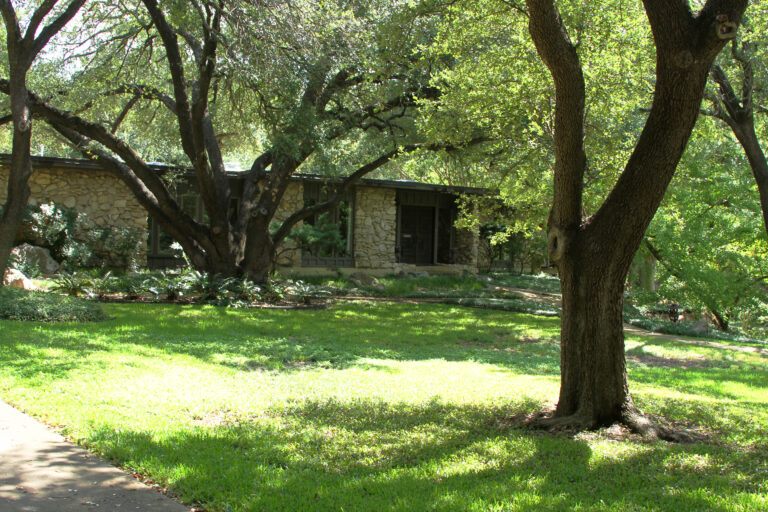
The five questions that reveal whether a Fort Worth listing agent can sell your house, and the four listing-agreement paragraphs to read before you sign.
Your Zestimate, your TAD value, a lender’s appraisal, and a CMA answer four different questions. Here’s which one actually prices your Fort Worth home.

Fort Worth is phasing in data center rules through 2027, and the research on home values is split. Here’s what you can verify about a specific address.

Nobody can answer that for you — but five checkable Fort Worth numbers can tell you whether you actually have leverage right now. Here’s where to find them.

Your rate is set by underwriting inputs, points, and which lender you ask – not by timing the market. Here is every lever a Fort Worth buyer actually controls.
Thinking about a specific house?
Send us the address. We will pull the comps and tell you straight – including when it is a pass.
Text or call 817-703-1333